
Selling A House With Fire-Damaged In West Virginia
We buy fire damaged houses in West Virginia cash as is, get a fair offer today.


We’ll Give You A No Pressure As-Is Cash Offer in 24 Hours
We’re Local, Fast Cash




How To Sell A Fire Damaged House As Is In West Virginia
If you’re wondering how to sell a house as is, we walk our sellers through our simple 3 step process. Unlike a traditional sale with a real estate agent, you can receive a free cash offer in 24 hours and close on your timeline. Think real estate moves slow? Give our team at Sell Fire Damaged House West Virginia a try…



Fill Out Form
Fill out our form and we’ll get started on your free offer! No obligations.


Receive Cash Offer
We’ll research your property and call you with our fair offer in cash!


You Get Paid!
Money in your bank account at closing.
Sell Your House Fast After a Fire
Selling your fire-damaged home has never been easier. With our seamless, stress-free process, you can move forward quickly and focus on what truly matters.
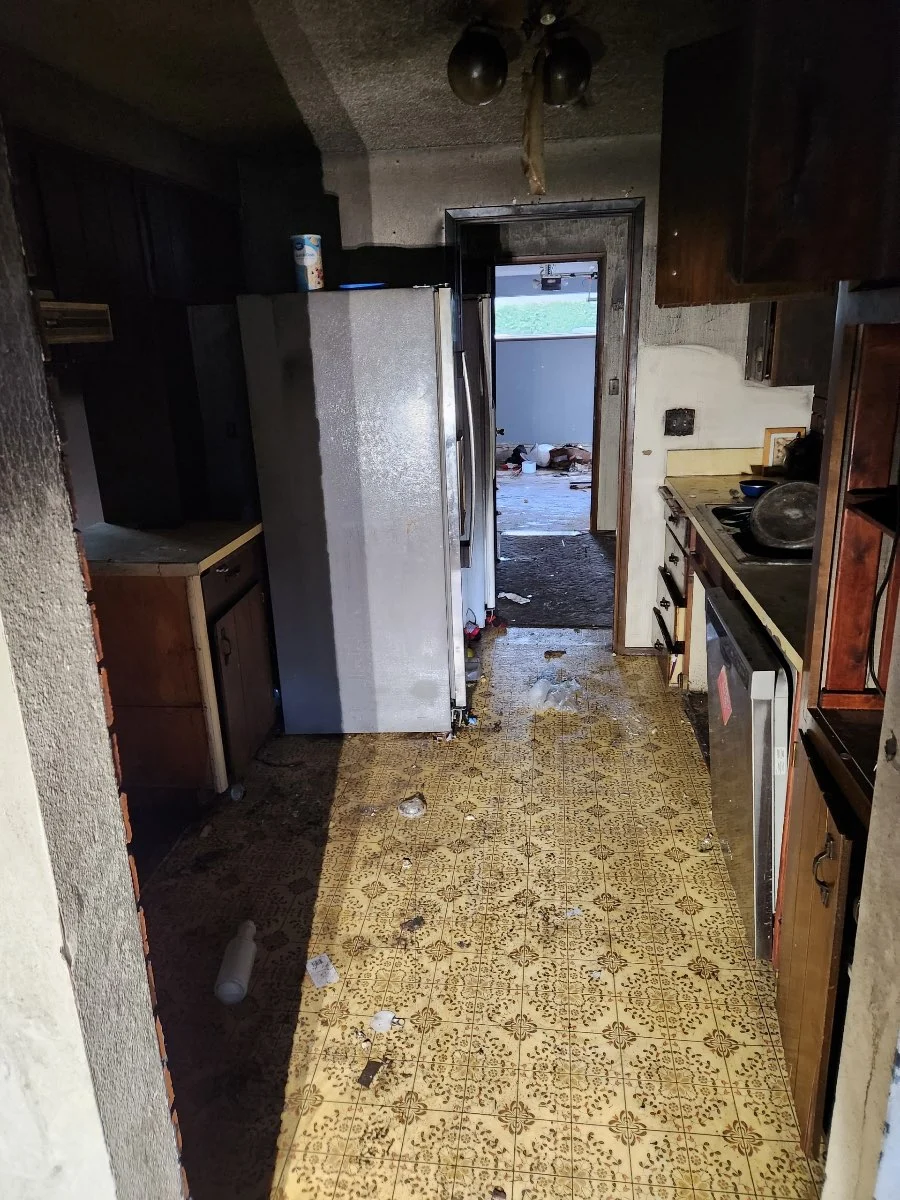
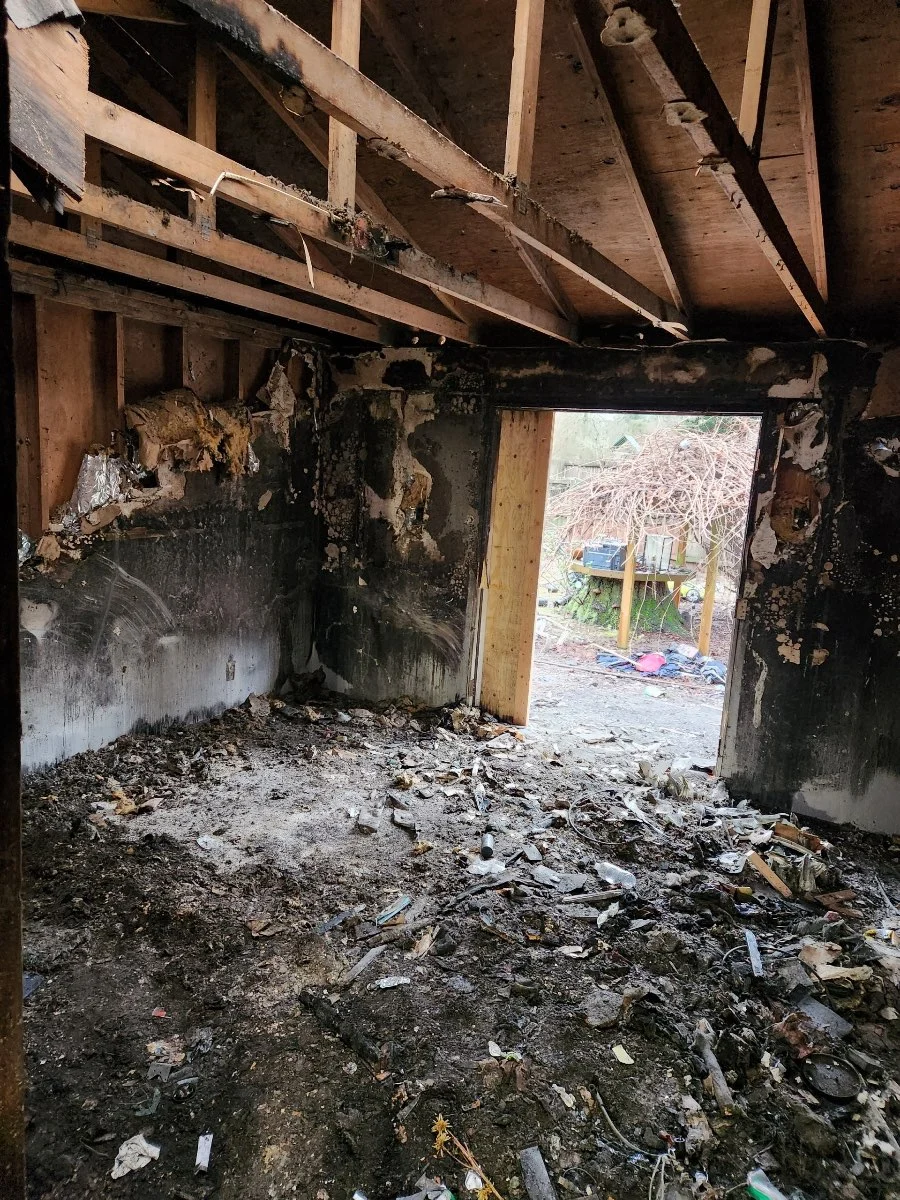
How To Sell A Burned Down Fire Damaged House In WV
- We Buy Fire Damaged Homes
- Selling a fire-damaged house in West Virginia requires weighing the pros and cons of various options, such as selling as-is or repair and listing.
- It is important to consult a fire damage restoration contractor to properly assess the damage and estimate repair costs in order to accurately price a house with fire damage.
- In West Virginia, it is recommended to disclose fire damage when selling your property in order avoid potential legal disputes & financial liabilities.
We Buy Fire Damaged Homes As Is
We buy homes as-is in any situation from financial distress to probate properties to just not wanting to deal with real estate MLS listing headaches, a home inspection, and a realtor. Selling your house as-is lets you avoid having to show your home to potential buyers making the home sale process easy for you no matter what you’re going through.

No Home Repairs
Selling your house as is means we take care of all the hassles!

No Agents
Skip paying for agent commission. We make home sales simple!

No Fees
Not only do we have NO agent or iBuyer fees, we cover closing costs!

Fast Closing
Sell your home on your timeline! We buy homes fast.

No Obligations
Take it or leave it. Our free cash offers come with no obligations.

Hassle Free
No agents. No inspection. No delays. We buy real estate as-is for cash!
Can I Sell A Fire-Damaged House In West Virginia?
Although selling a fire-damaged house in West Virginia is possible, it comes with its own set of challenges. The market value of the property is likely to be affected by the damage caused by the fire. This means that selling at a desirable price may be difficult. Additionally, potential buyers may be more inquisitive and cautious when considering such properties.
When selling your fire-damaged house in West Virginia, you can either restore it or sell it as-is. If you decide to restore the property, you may face high repair costs and a lengthy rebuilding process. On the other hand, selling as-is can save you time and money, but may result in a lower selling price. Regardless of your decision, honesty about the damage and required repairs is critical.
Sell Fire Damaged House West Virginia!
If a simple home sale that closes on your schedule sounds like what you need, come check us out. You can request a free quote for your house by filling out our form below!
We’ll Give You A No Pressure As-Is Cash Offer in 24 Hours
We’re Local, Fast Cash
Successfully Selling a Fire-Damaged House in West Virginia in 2025
A charred support beam or smoke-stained wall tells a story no West Virginia homeowner ever wants to face. When fire transforms a cherished residence into an overwhelming challenge, crucial decisions loom amid the weight of personal loss.
Repair estimates swing dramatically from $3,000 for minor smoke damage to upwards of $50,000 for structural restoration, while insurance claims and market considerations add layers of complexity to an already stressful situation.
Time becomes both an ally and an enemy after fire damage. Each passing day demands attention to critical tasks – securing vulnerable areas against weather damage, documenting every detail for insurance purposes, and understanding West Virginia’s specific disclosure requirements.
The path forward splits between quick-sale options to cash buyers and full restoration approaches, each carrying distinct financial outcomes for your property’s future.
The journey from fire damage to successful sale involves strategic decisions at every turn. Local market conditions, restoration expenses, and buyer characteristics influence the most effective strategy for your particular circumstances.
Understanding these elements, along with West Virginia’s legal framework and current property values, transforms an overwhelming challenge into a manageable process with clear steps toward resolution. Your property’s story doesn’t end with fire damage – it simply enters a new chapter with multiple paths to recovery.
First Steps After Fire Damage
The first 24 hours after a fire can shape what happens next. Once the property is safe to access, careful documentation and a clear plan can help protect both your insurance claim and the property’s value.
Safety Assessment And Documentation
The fire truck’s lights had barely faded when the real work began. Standard protocol: wait for the fire department’s official clearance to enter. 73% of insurance claims get delayed due to poor initial documentation, so here’s what works: grab your phone, open your camera app, and systematically capture:
• Every wall, floor, and ceiling detail
• Close-ups of smoke residue patterns
• Water damage from firefighting efforts
• Personal belongings affected by heat or smoke
• Exterior damage, including melted siding or broken windows
Contacting Insurance Provider
That insurance card in your wallet? Time to put it to work. Many carriers maintain 24/7 emergency response teams, so contacting your provider promptly can help set the claim process in motion:
• Claim number assignment
• Connection to an adjuster
• Instructions specific to your situation
• Documentation requirements
• Guidance on emergency repairs
Hands off any cleanup until you get explicit approval. One hasty move could cost thousands in denied claims.

Securing The Property
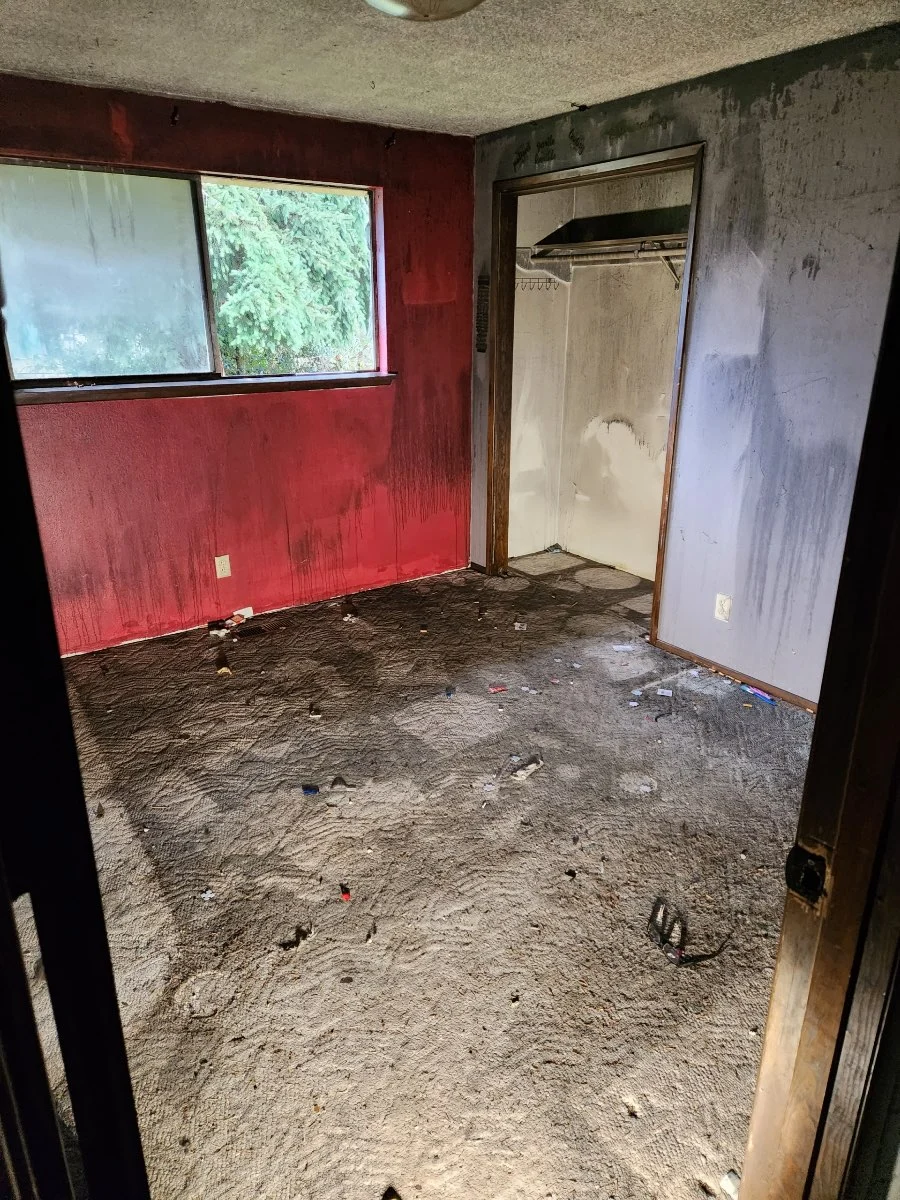
The charred hole in your roof won’t fix itself. West Virginia’s unpredictable weather patterns mean you’ve got about a 6-hour window before that next storm rolls in. Professional restoration contractors know the drill:
• Board up broken windows with marine-grade plywood
• Install heavy-duty tarps over roof damage
• Secure all entry points with commercial-grade locks
• Set up temporary lighting if electrical systems are compromised
• Install humidity monitors to track moisture levels
Gathering Essential Documents
Keeping every critical document from the fire and restoration process in one organized file can make the next steps much easier. Each record helps tell the property’s full story:
• Fire department incident report (request this within 48 hours)
• Insurance correspondence (including claim numbers and adjuster contacts)
• Contractor estimates (minimum of three)
• Utility disconnection confirmations
• Building department inspection records
• Photo documentation (dated and labeled)
Your local building department needs specific documentation before issuing repair permits. Keep everything – that water-stained receipt might just save you thousands during insurance negotiations.
Property Value Impact In West Virginia
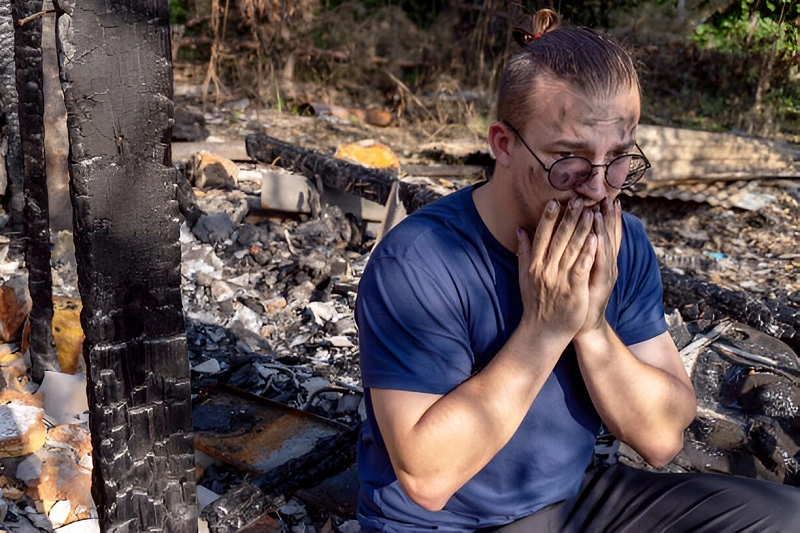
A charred support beam tells only part of the story. Fire damage can reduce a property’s value significantly, with the final impact depending on the extent of damage, repair costs, location, and current West Virginia market conditions. Understanding those factors helps create a more realistic path forward.
Factors Affecting Current Market Value
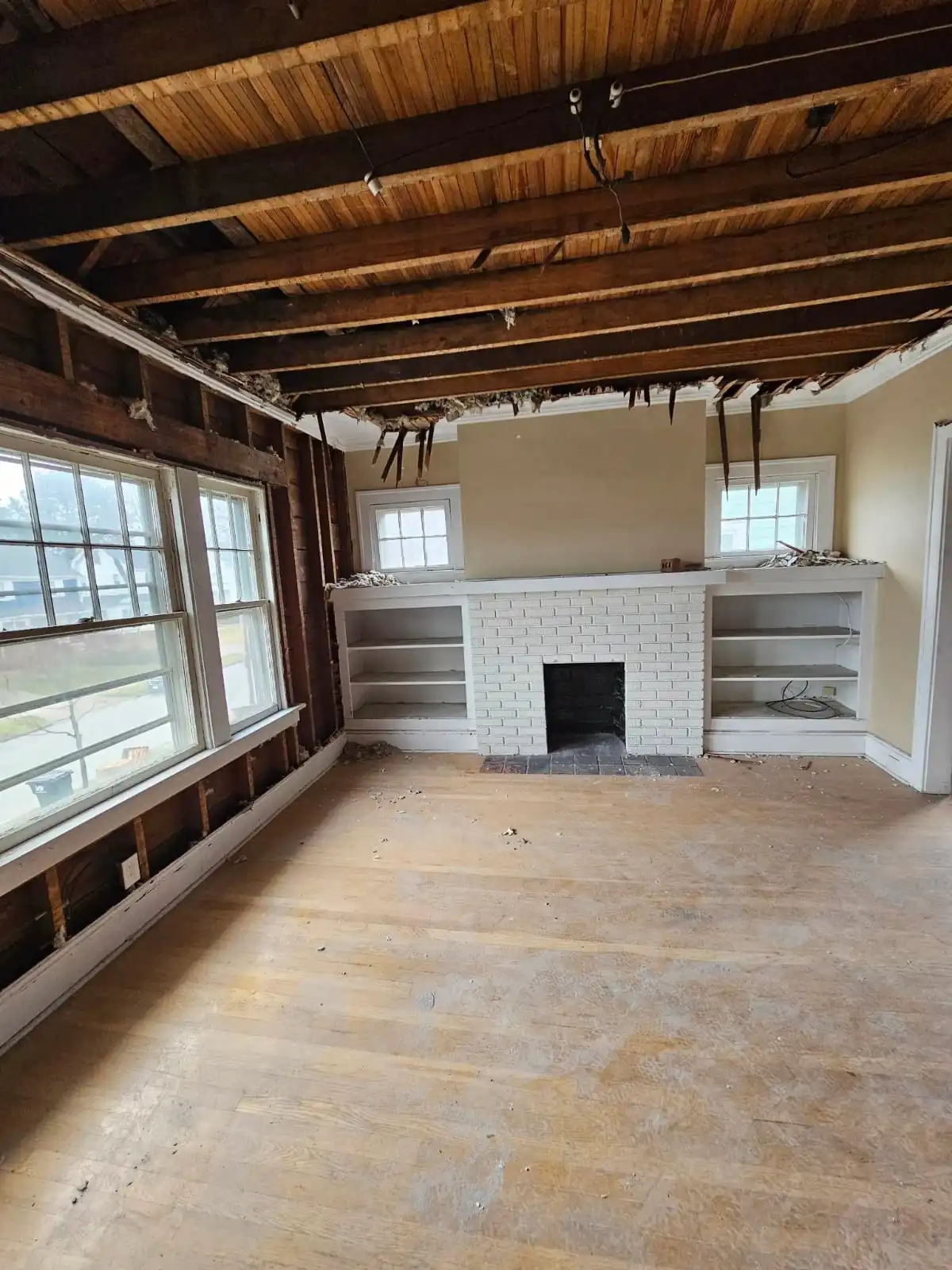
The blackened walls and melted fixtures paint a clear picture of fire severity – each level of damage carries its own price tag. Surface-level repairs might only nick the value by 20%, while extensive structural damage can reduce a property to land value alone.
Those insurance checks? They rarely cover the full market impact. A home’s pre-fire glory days matter too – newer properties typically bounce back stronger than aging structures with pre-existing issues.
• Minor cosmetic damage: 20-30% value reduction
• Moderate structural impact: 30-40% reduction
• Severe structural damage: 40-50% or greater reduction
Role Of Location And Market Conditions
The same fire damage can affect properties differently across West Virginia’s varied markets. Homes in stronger-demand areas may retain more value than similar properties in slower or more rural markets.
Current market conditions act like an amplifier – high demand can soften the impact, while slower markets can make recovery more difficult.

Impact Of Smoke And Water Damage
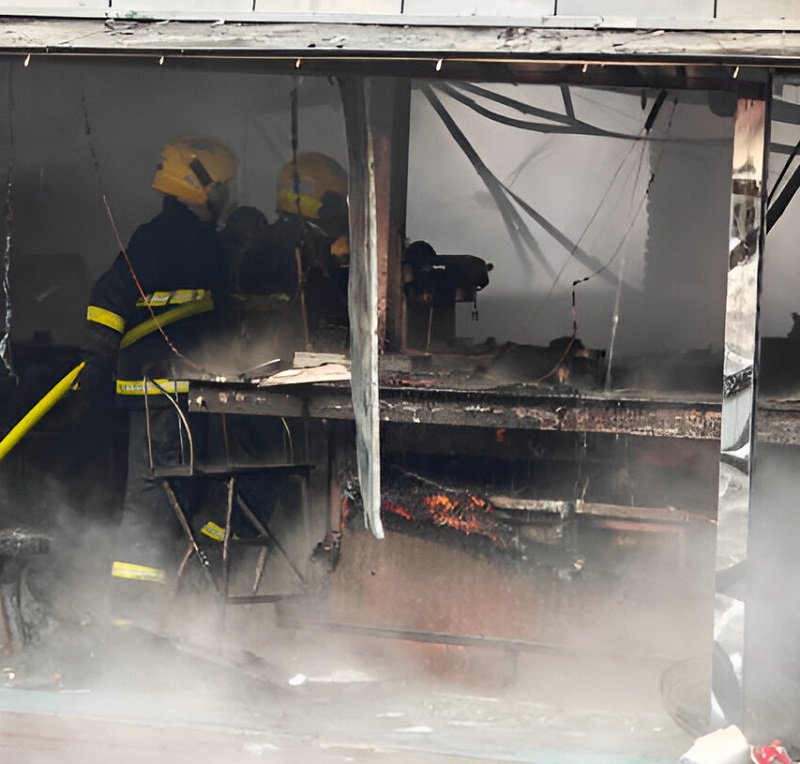
That acrid smell lingering in the drywall? It’s not just unpleasant – it’s eating away at your property value. Smoke particles infiltrate extensively into building materials, while water from firefighting efforts creates a breeding ground for mold. These silent destroyers often pack a bigger financial punch than visible burn damage.
Key damage impacts:
• Smoke penetration in walls and HVAC systems
• Water-logged insulation and structural components
• Hidden mold growth behind seemingly intact surfaces
• Compromised electrical systems from water exposure
Professional Appraisal Benefits
A certified appraiser’s flashlight beam reveals truths that untrained eyes miss. These professionals understand West Virginia’s unique market interactions and carry specialized tools to assess both obvious and hidden damage. Their detailed reports carry weight with lenders, insurers, and buyers, turning uncertainty into actionable data.
Professional appraisals deliver:
• Thorough damage assessment reports
• Local market analysis and comparable sales data
• Documentation for insurance negotiations
• Strategic repair recommendations
• Clear valuation benchmarks for price setting
Working with appraisers who specialize in fire damage unlocks insights that can mean thousands in recovered value. Their expertise directs strategic repair decisions and helps guide complex negotiations with insurers and potential buyers.
West Virginia Legal Requirements And Disclosures
Failing to disclose known fire damage can create serious problems after a sale, even when repairs have already been completed. Clear documentation and transparent disclosure help reduce the risk of disputes with buyers.
Mandatory Damage Disclosures
West Virginia disclosure requirements should be reviewed carefully when selling a fire-damaged property. Sellers should provide accurate information about known damage, repairs, and the property’s current condition.
Useful documentation can include:
• Date and location of the fire incident
• Extent of structural and cosmetic damage
• Detailed list of completed repairs
• Current condition assessment
• Professional inspection reports
• Outstanding repair needs
State-Specific Regulations
Requirements can vary depending on where you’re selling in West Virginia because municipalities and local agencies may have different permit, inspection, structural, electrical, environmental, and fire-safety requirements.
Before listing or repairing a fire-damaged property, confirm the applicable disclosure, permit, and inspection requirements for the property’s specific location.
Insurance Documentation Requirements
Think of documentation as your legal bulletproof vest. Your protection package should include:
• Original insurance claim files
• Repair contractor invoices
• Professional assessment reports
• Photos before and after repairs
• Communication records with insurance adjusters
• Building inspection certificates
Liability Protection Measures
Thorough records can help protect both seller and buyer when a property has a history of fire damage.
Useful liability-protection records include:
• Detailed repair documentation
• Written communication records
• Professional assessment reports
• Insurance claim history
• Building code compliance records
• Updated property condition reports
Keeping these documents organized makes it easier to answer buyer questions and demonstrate what work was completed.
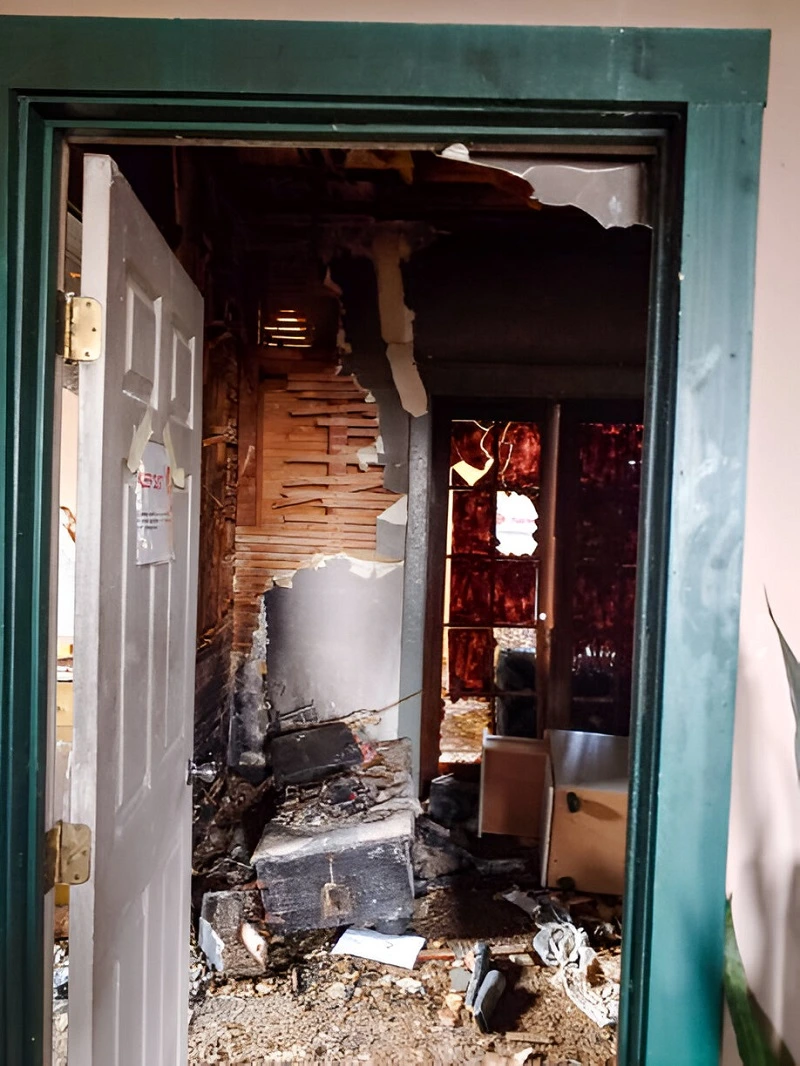
Selling Options In The West Virginia Market
Fire-damaged properties often sell at a discount compared with undamaged homes, but the size of that discount depends on the property, damage severity, repair needs, and current West Virginia market conditions. Homeowners still have several possible paths, including selling as-is for cash or completing repairs before listing traditionally.

Cash Buyers And Investors
For homeowners prioritizing speed and simplicity, cash buyers and real estate investors can be a practical option because they commonly purchase properties as-is.
These buyers typically account for repair costs and their expected return when making an offer. No staging or major pre-sale renovations may be required, and general cash-buyer transactions can sometimes close within 7-14 days depending on the property and transaction.
Traditional Real Estate Listings
Traditional Real Estate Listings
Your liability shield needs:
• Market exposure to qualified buyers
• Expert pricing guidance
• Professional marketing materials
• Negotiation support
• Documentation handling
The process takes longer than a cash sale, averaging 45-60 days in today’s market, but often yields higher net proceeds.

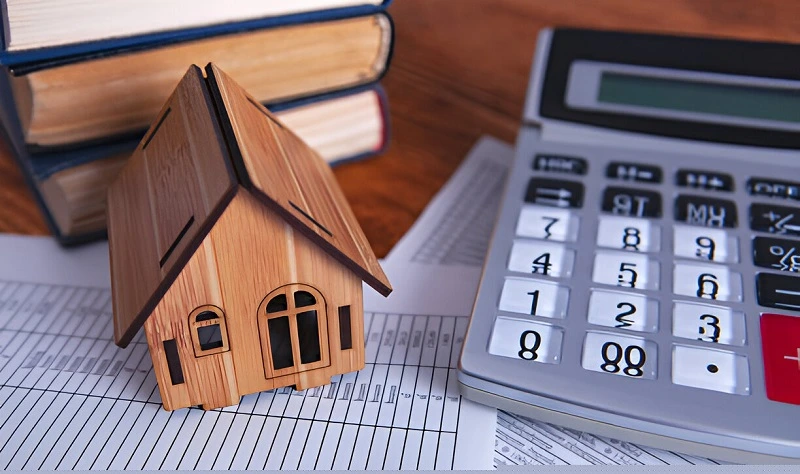
Auction Process
Property auctions can create competition among buyers and may provide a defined sale process for damaged properties. Online auctions can also expand exposure beyond the immediate local market.
Key auction advantages:
• Set sale date
• Market-driven bidding
• Exposure to multiple buyers
• Potential for non-contingent offers
• Transparent bidding process
For Sale By Owner Approach
A For Sale By Owner (FSBO) approach gives the owner direct control over the process, but it also requires more hands-on work.
FSBO success can require:
• Detailed damage documentation
• Knowledge of local building requirements
• Marketing expertise
• Negotiation skills
• Flexible showing availability
• Legal documentation management
The West Virginia market can vary significantly by region. Your property’s location, damage extent, and personal timeline should drive your selling strategy. Each method brings its own balance of speed, effort, and potential return.

Making The Repair Decision
For many West Virginia homeowners, the repair-or-sell decision starts with comparing repair costs against the property’s likely value after restoration. A professional assessment and several contractor estimates can help clarify whether completing repairs or selling as-is makes more financial sense.
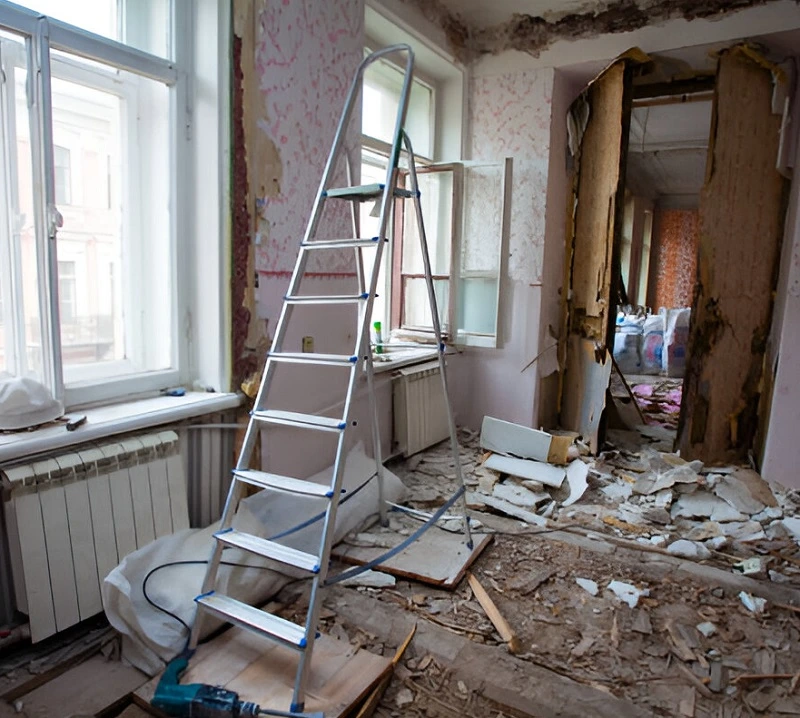
Cost Analysis Of Repairs
The acrid smell of smoke lingering on the walls tells only part of the story. Professional inspections can uncover damage that goes much deeper:
• Smoke residue moving through HVAC systems
• Water-soaked insulation from firefighting efforts
• Compromised electrical systems behind seemingly intact walls
Breaking repair costs into three primary segments helps clarify the true investment:
• Structural repairs (foundation, framing, roof)
• Cosmetic restoration (walls, floors, paint)
• Critical systems (electrical, plumbing, HVAC)
Insurance coverage may not always match the full cost of restoration, so reviewing your policy and obtaining detailed estimates is important before committing to major repairs.
Return On Investment Considerations
The return on repairs depends heavily on the specific property and local West Virginia real estate market. Cosmetic improvements may improve marketability, while major structural repairs can require much larger investments that do not always translate dollar-for-dollar into a higher sale price.
Compare contractor estimates with realistic as-is and repaired property values before deciding how much work to complete.


Partial Vs Complete Restoration
A partial restoration tackles safety issues and essential repairs first:
• Structural stabilization
• Electrical system safety
• Basic habitability requirements
Complete restoration brings the property closer to its pre-fire condition:
• Full interior and exterior repairs
• Matching or replacing damaged finishes
• Updating affected systems throughout
Whether partial or complete restoration makes sense depends on repair costs, buyer demand, financing requirements, and the property’s expected value after the work is completed.
Timeline Implications
Weather, contractor availability, permit requirements, material availability, and the extent of damage can all affect a fire-restoration timeline in West Virginia.
Ongoing carrying costs can include:
• Mortgage payments
• Property taxes
• Insurance premiums
• Utility and property-security costs
Balancing repair timelines against these ongoing expenses can help determine whether repairing or selling as-is is the better fit.

Marketing Strategies For Fire-Damaged Properties
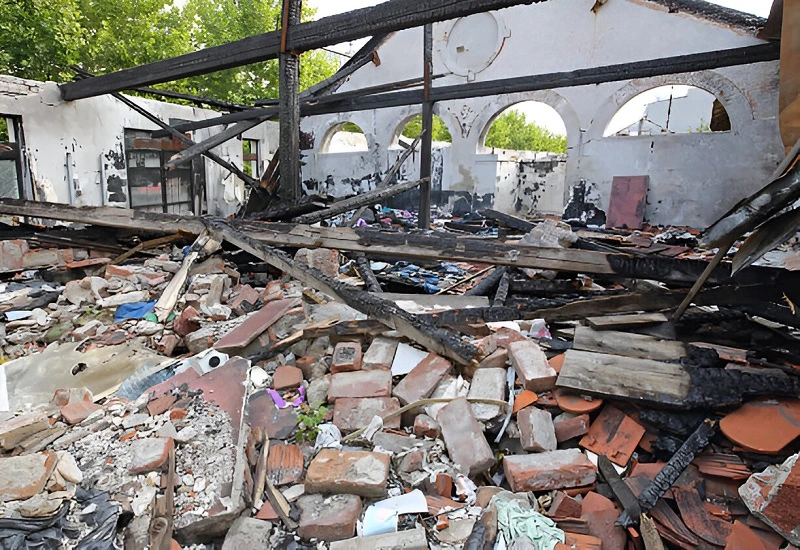
A charred exterior and smoke-damaged walls do not tell the whole story. Strategic marketing can help buyers understand a damaged property’s location, lot value, repair potential, and possible future use instead of focusing only on its current condition.

Targeting The Right Buyer Pool
Fire-damaged properties need specialized buyers who see opportunity where others see disaster. Your ideal prospects include:
• Professional investors with renovation experience
• Licensed contractors seeking side projects
• Renovation specialists with proven track records
• Real estate developers focused on property transformation
These buyers already understand construction costs and renovation timelines. Connect with them through:
• Local real estate investment associations (REIAs)
• BiggerPockets forums and marketplace
Specialized sections on Zillow and Redfin
• Professional contractor networks
• Real estate agents specializing in distressed properties
Pricing Strategies
The math matters with fire-damaged properties. A thorough pricing analysis includes:
• Recent sales of comparable damaged properties
• Current market values for renovated homes
• Detailed repair cost estimates from licensed contractors
• Location and neighborhood factors
• Lot size and zoning potential
Properties with partial damage, especially those with intact structural elements, may retain more value than homes requiring major structural reconstruction.
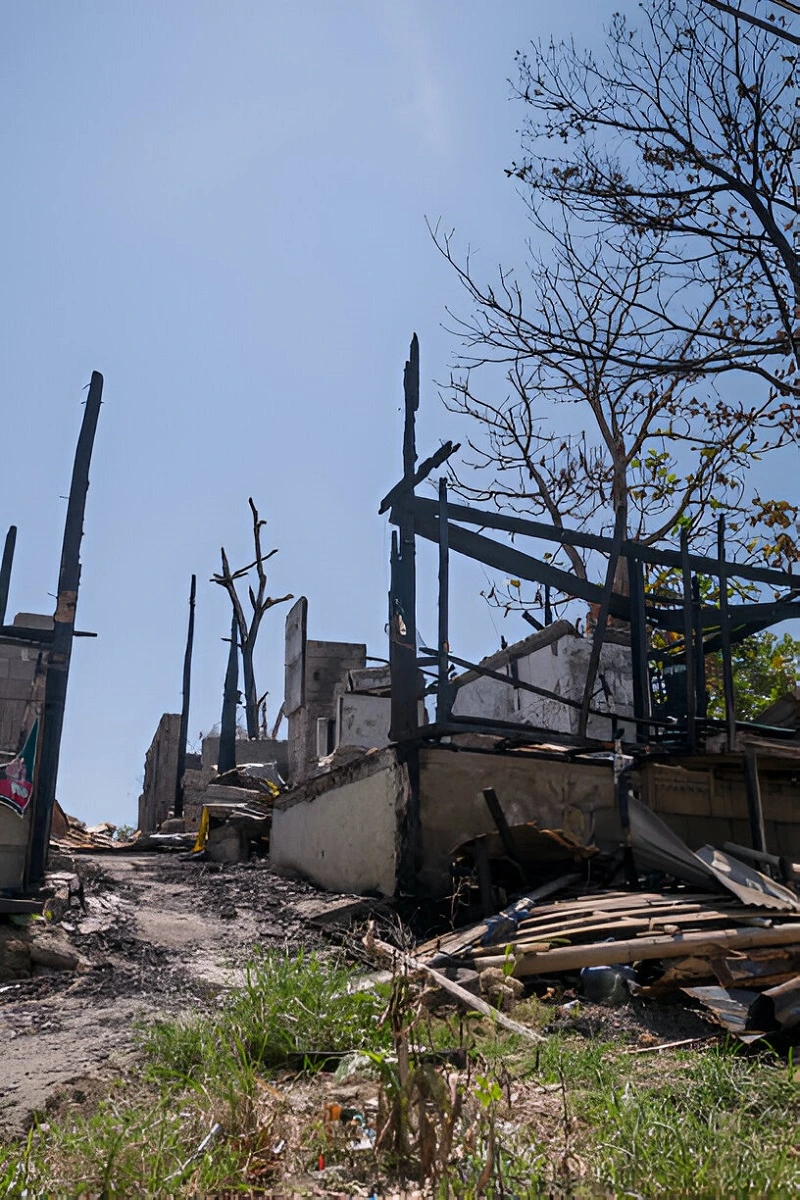
Property Presentation Tips
Transparency builds trust. Your marketing materials should include:
• High-resolution photos documenting both damage and salvageable features
• 360-degree virtual tours for safe remote viewing
• Before-and-after examples of similar renovated properties
• Detailed contractor estimates for major repairs
• Highlighted features like prime location or oversized lots
Partner with local contractors to develop thorough renovation scenarios. Their expertise helps buyers visualize the property’s true potential beyond its current condition.
Negotiation Approaches
Every fire-damaged property tells a unique story. Successful negotiations often include:
• Repair credits based on documented contractor estimates
• Flexible closing timelines
• Insurance claim documentation
• Professional inspection reports
• Environmental and safety assessments
Creative solutions such as seller financing, repair credits, or renovation escrows may help bridge the gap between buyer concerns and seller needs when appropriate.
Success comes from matching the property with buyers who have both the resources and willingness to take on the necessary work.
Frequently Asked Questions
A fire-damaged house in West Virginia typically sells within 30-90 days. Urban properties move faster than rural ones, with location and damage severity driving the timeline.
Cash buyers and real estate investors often close within 14 days – no lengthy bank approvals needed. Traditional financing paths stretch longer, usually 60-90 days, due to mandatory inspections and detailed lender requirements.
West Virginia’s property laws don’t specify mandatory repairs for fire-damaged homes, but full damage disclosure remains non-negotiable. Those sparking electrical wires? They need fixing. That sagging roof beam? Same deal. While “as-is” sales happen daily, addressing fundamental safety issues protects both seller and buyer.
Banks and traditional lenders typically demand certified repairs to structural elements and electrical systems before green-lighting any financing.
Your fire-damaged property can absolutely sell with an existing mortgage – the loan balance simply gets paid off during closing. Insurance payouts frequently bridge the gap between your remaining mortgage and the property’s fire-impacted value.
When severe damage drops your property value below the mortgage balance, your lender might approve a short sale, offering a practical path forward.
West Virginia’s bone-chilling winters pack a brutal punch to fire-damaged homes. Water from firefighting efforts finds every crack and crevice, expanding during freeze-thaw cycles to split walls and foundations.
Heavy snow loads strain already-compromised structures, while moisture seeps through damaged roofs and walls. Installing temporary weatherization measures – even basic tarping and board-ups – dramatically reduces winter’s destructive impact.
Fire-damaged property purchases typically close fastest with cash offers, but several lending options exist for qualified buyers. FHA 203(k) and conventional rehabilitation loans bundle purchase and repair costs into one mortgage, perfect for major renovations.
Hard money lenders offer quick-close options with higher interest rates, attracting investors who plan to flip properties. Each financing path requires detailed renovation plans and contractor estimates.
What You Should Do After A House Fire In West Virginia
In the aftermath of a house fire in West Virginia, immediate actions are crucial to address the situation. Here are the steps you should take:
Quick Checklist
1. Contact the fire department for a report.
2. Speak with your insurance company to assess any damage.
3. File an insurance claim.
4. Adhere to legal disclosure requirements when selling a fire-damaged house in West Virginia.
Depending on your decision to repair or sell the fire-damaged house, you will need to:
1. Assess the damage
2. Contact insurance
3. Obtain multiple quotes
4. Budget for unexpected expenses
5. Work with insurance to get your payout
6. Complete repairs
7. List on the market
Collaborating with an adjuster can assist in evaluating damage and repairs and guarantee an equitable settlement when submitting a fire insurance claim.
Sell Your House After A Fire For Cash in West Virginia Today
A fire-damaged house in West Virginia can still be sold successfully. Your best path depends on three key factors: urgency, available funds, and property condition. Some homeowners choose an as-is cash sale, while others complete repairs before entering the traditional market.
Different sellers choose different paths based on the condition of the property and their financial goals. A cash offer may avoid the cost and uncertainty of repairs, while restoration can make sense when the expected increase in market value justifies the investment.
Here’s what the numbers tell us:
• Basic smoke remediation: $3,000-$8,000
• Moderate structural repairs: $15,000-$25,000
• Complete restoration: $30,000-$50,000
• Average time to close with cash buyers: 7-14 days
• Traditional market sales after repairs: 30-45 days
The right professional team can make these decisions easier. Local restoration contractors can help estimate repair needs and likely costs. Real estate agents experienced with distressed properties can explain traditional-market options, while insurance adjusters and legal professionals can help you understand insurance and disclosure considerations.
Investor demand and buyer interest can vary across West Virginia, so compare your available selling options using current local market conditions and the property’s actual condition.
Sell Fire Damaged House West Virginia!
If a simple home sale that closes on your schedule sounds like what you need, come check us out. You can request a free quote for your house by filling out our form below!
We’ll Give You A No Pressure As-Is Cash Offer in 24 Hours
We’re Local, Fast Cash